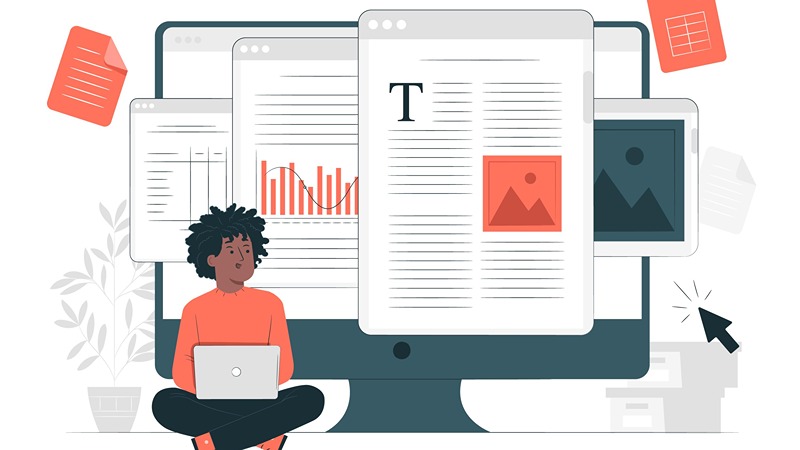
In today’s digital age, where online presence and content play a critical role in business success, having a captivating website and compelling digital content is essential. However, creating impactful digital content goes beyond just writing—it involves the crucial step of professional editing. This article delves into the importance of having a website and its content professionally edited, highlighting how it can enhance engagement and drive success in the digital realm.
What’s the Difference between Editing and Proofreading?
Editing and proofreading are both essential steps in the process of refining written content, but they serve distinct purposes and focus on different aspects of the text. Understanding the difference between editing and proofreading can help ensure that your content receives the appropriate level of attention and refinement.
Editing involves a comprehensive review and revision of the content with the aim of improving its overall quality, clarity, and effectiveness. It focuses on refining the structure, style, and flow of the text to ensure it aligns with the intended purpose and target audience. Editors analyze the content on a deeper level, looking for ways to enhance the message, organization, coherence, and readability. They may make substantial changes to sentence structures, rephrase, or reorder paragraphs, and suggest additions or deletions to strengthen the overall impact of the content. Editing also involves addressing issues such as clarity, consistency, tone, and overall effectiveness of the writing. Editing is a holistic process that aims to shape and refine the content to achieve its intended purpose.
Proofreading, on the other hand, focuses on the surface-level aspects of the text, primarily checking for errors in grammar, spelling, punctuation, and formatting. Proofreaders review the document after the editing phase to ensure that it is free from typographical mistakes, grammatical errors, and inconsistencies. They carefully examine the text line by line to catch any lingering errors that may have been missed during the editing process. Proofreading is the final quality check to ensure that the content is error-free, polished, and ready for publication.
While editing and proofreading are distinct stages, they are often intertwined, and the boundaries can blur. In practice, a professional editor may also perform proofreading tasks during the editing process. However, it is important to recognize that the primary focus of editing is on the content’s overall structure, clarity, and effectiveness, whereas proofreading is primarily concerned with surface-level errors.
Enhancing Engagement through Professional Editing
Professional editors can significantly enhance the engagement of a website and its content. It ensures clarity, relevance, and emotional connection with the audience, fostering a positive user experience that encourages readers to explore, interact, and return for more. Here are some effective ways to achieve this:
Clarity and Coherence
Professional editing ensures that your content is clear, concise, and coherent. An editor with a fresh perspective will review your content, identifying areas where information can be restructured or streamlined for better comprehension. They remove redundancies, streamline sentences, and organize ideas in a logical manner, making it easier for readers to follow and understand your message.
Clear and coherent content grabs readers’ attention, keeps them engaged, and encourages them to explore further.
Language Polishing
A professional editor has a keen eye for language nuances, ensuring that your content is polished and professional. They refine sentence structures, choose the right vocabulary, and maintain consistency in tone and style throughout your website and digital content. This linguistic finesse elevates the credibility of your content, establishing trust with your audience and enhancing engagement.
Readers are more likely to connect with well-crafted content that communicates your message effectively.
Consistency and Branding
Professional editing ensures consistency in your messaging and branding across your website and digital content. An editor will ensure that your content reflects your brand identity, using the appropriate tone, language, and style that resonate with your target audience.
Consistency in messaging enhances your brand’s recognition and reinforces your key messages, creating a cohesive and memorable experience for your readers.
Would you like to subscribe to our blog?
Limitations of Automatic Editing Tools
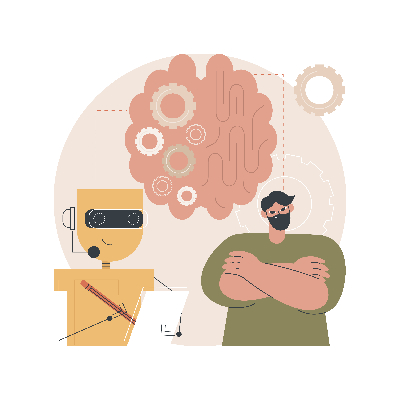
While automatic editing tools can be useful for catching certain errors and providing quick suggestions, they have several limitations that make them less reliable than human editors. Here are some key limitations of automatic editing and proofreading tools:
Contextual Understanding
Automatic tools often struggle to grasp the nuances of language and context. They may misinterpret the meaning of a sentence or fail to recognize the intended tone or style of the content. This can lead to incorrect suggestions or changes that alter the original message or impact the overall quality of the writing.
Language Complexity
Languages are complex, and automatic tools may struggle with intricate grammar rules, idiomatic expressions, or regional variations. They may not have the ability to accurately detect or suggest appropriate alternatives in such cases, leading to incorrect or awkward revisions.
Limited Subject Knowledge
Automatic tools lack domain-specific knowledge, making them less effective for editing content that requires expertise in a particular field. They may not recognize technical terms, industry-specific jargon, or specialized terminology, resulting in inaccurate suggestions or omissions.
Ambiguity and Wordplay
Language often involves ambiguity and wordplay, which can be challenging for automatic tools to handle. They may miss subtle wordplay, double meanings, or creative language use, leading to potential misunderstandings or unintentional changes in meaning.
Cultural Sensitivity
Automatic tools may not adequately address cultural sensitivities or context-specific language use. They may fail to recognize and flag potentially offensive or inappropriate language, which can be detrimental when targeting diverse audiences or international markets.
While automatic editing tools can be a starting point for checking basic errors, they cannot replace the expertise and critical thinking of a human editor.
Need to boost your digital content?
Check out the language solutions we have for you!
In sum
Investing in professional editing is a wise choice for anyone looking to make an impact in the digital landscape. By refining the clarity, coherence, and linguistic finesse of your content, professional editing enhances engagement, builds credibility, and establishes trust with your audience. It takes your content from average to exceptional, ensuring it stands out amidst the sea of online information.
To ensure your website and content stand out from the crowd, entrust your editing needs to professionals. Our experienced team understands the intricacies of effective digital content and will polish your website and digital content, elevating it to new heights and helping you achieve your digital goals.
So, why settle for average content when professional editing can take it to extraordinary levels? Embrace the power of professional editing and unlock the true potential of your digital presence.


 EspEng Language Solutions
Leave a comment